
Building with Composites
Composite (carbon fiber) hockey sticks present unique challenges compared to wood. This guide covers safety, measurement, cutting, fastening, and dealing with common issues.
Composite sticks produce fine carbon fiber dust when cut or drilled. This dust is hazardous to breathe. Always wear a respirator/dust mask, safety goggles, and work in a well-ventilated area. Long sleeves recommended — carbon fiber splinters are extremely fine and irritating to skin.
Composite Stick Anatomy
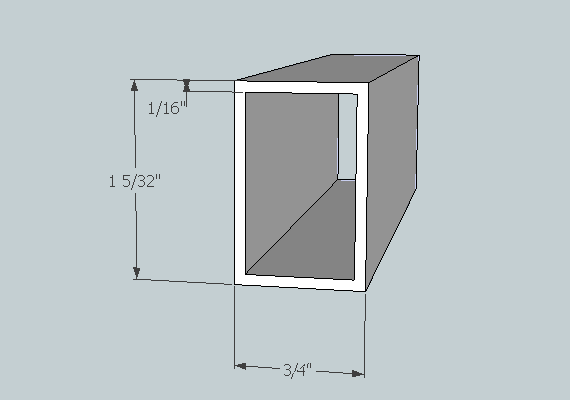
Composite sticks are made of layered carbon fiber wrapped around a hollow or foam core. When cut, you'll see distinct layers. The key difference from wood: composites are hollow in the shaft area, which affects how you fasten and join pieces.
Measuring Composite Sticks
Composite sticks taper along their length, so measurements must be taken at specific points:
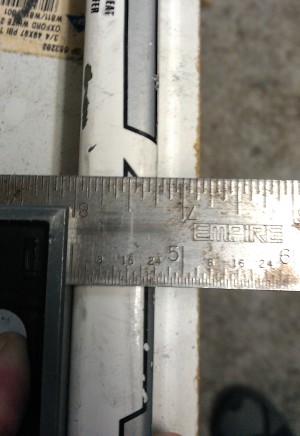
Main shaft measurement
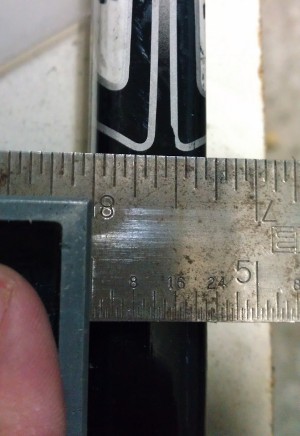
Tapered shaft measurement
Always measure and mark where you'll cut before committing. The taper means two sticks may have different widths at the same distance from the butt end.
Cutting Composites
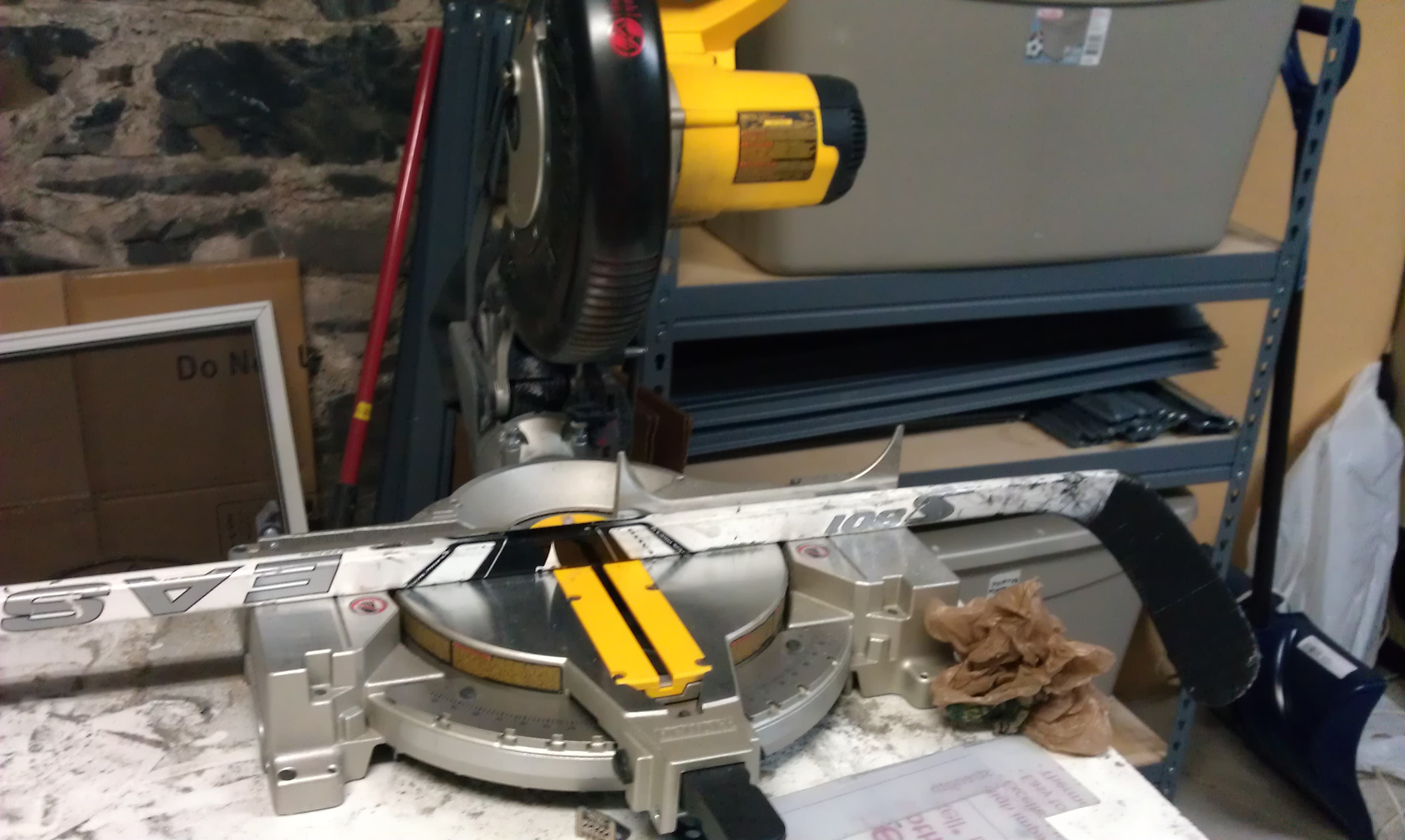
Single stick on mitre saw
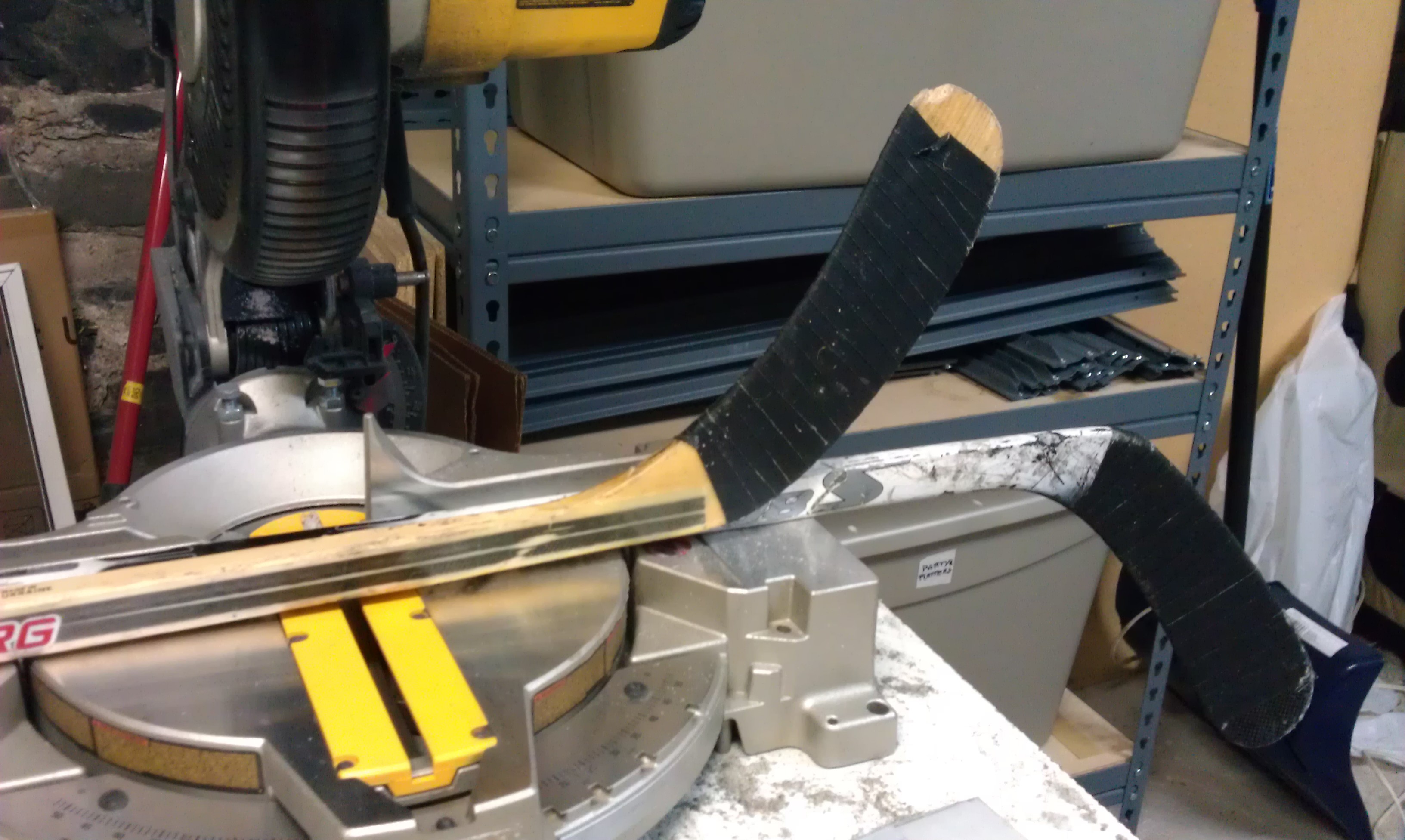
Batch cutting composites
A standard wood blade will dull quickly and produce excessive dust. Consider using a masonry or diamond blade for cleaner cuts with less dust.
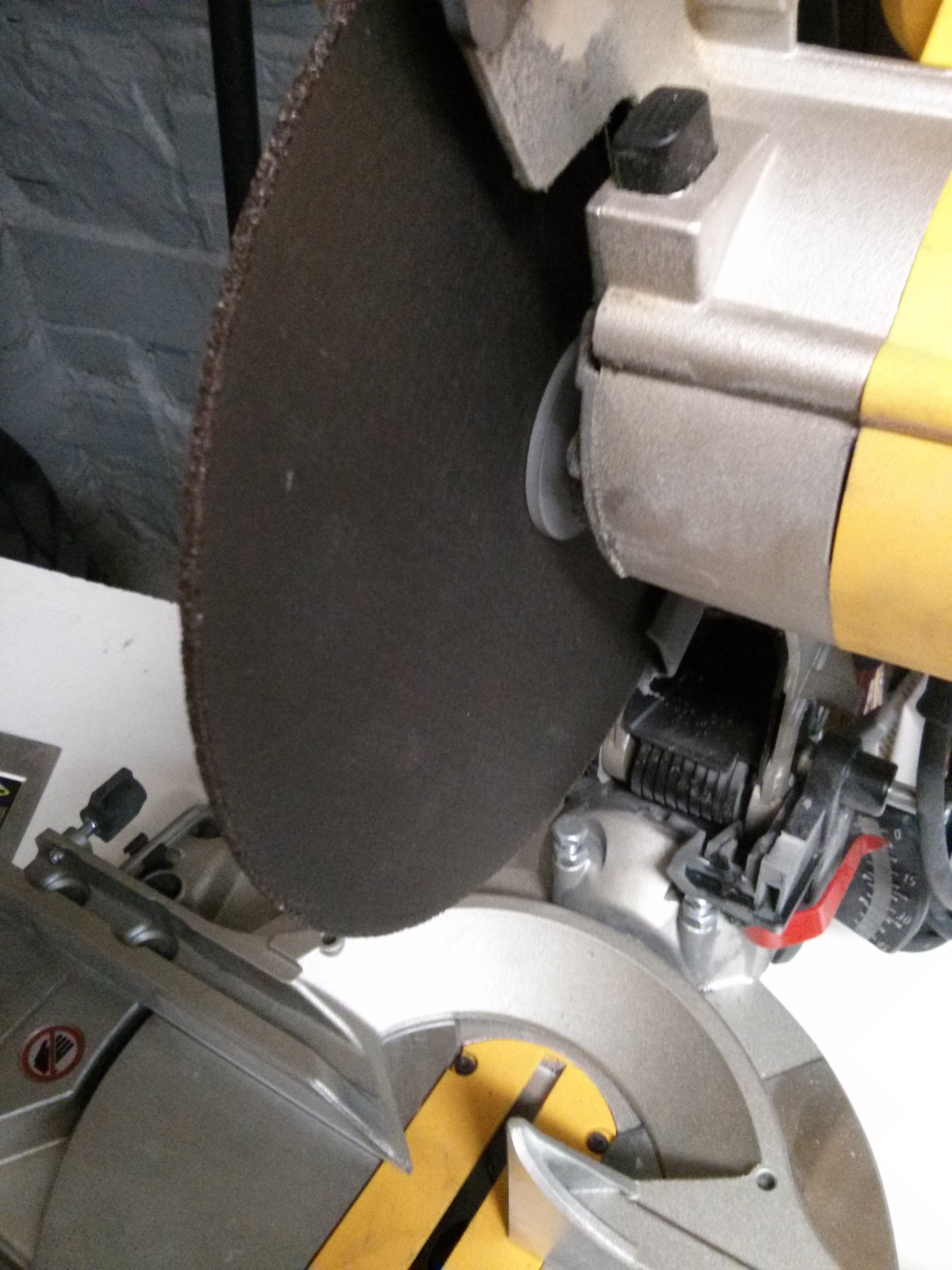
Masonry blade for composite cutting
Fastening Composites
Because composite sticks are hollow, screw fastening requires care. The walls are thin carbon fiber layers that can crack or split if forced.
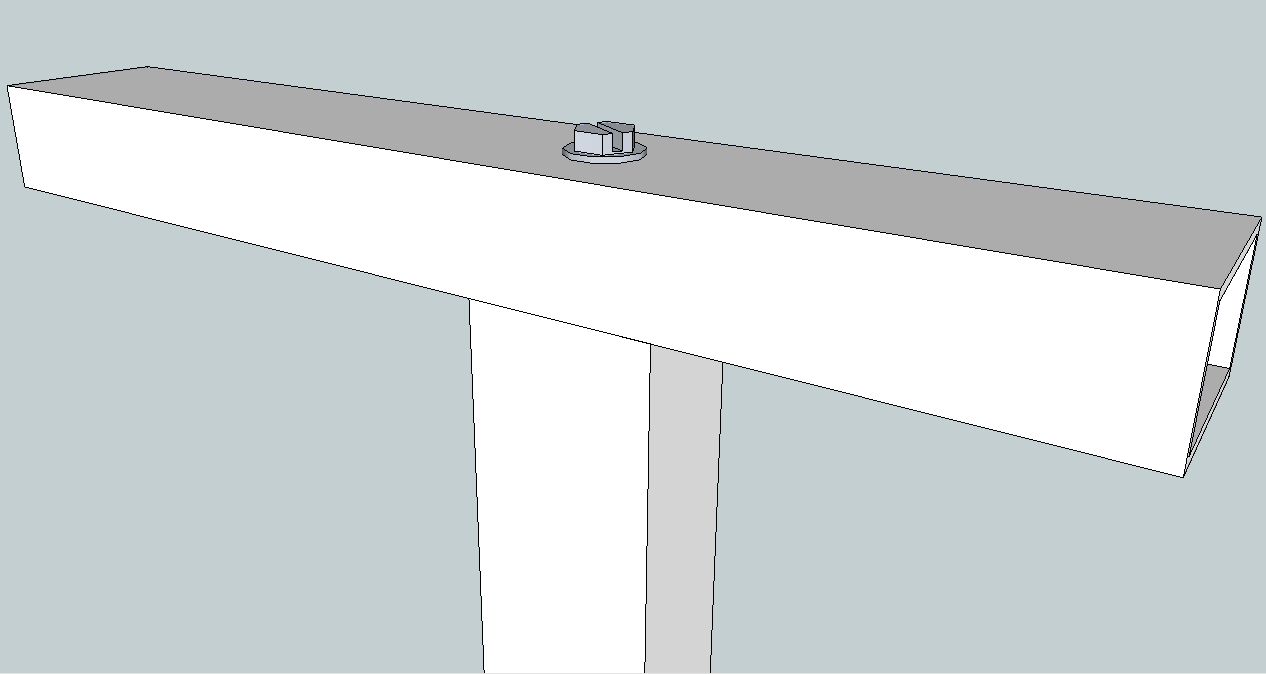
Joint (closed)
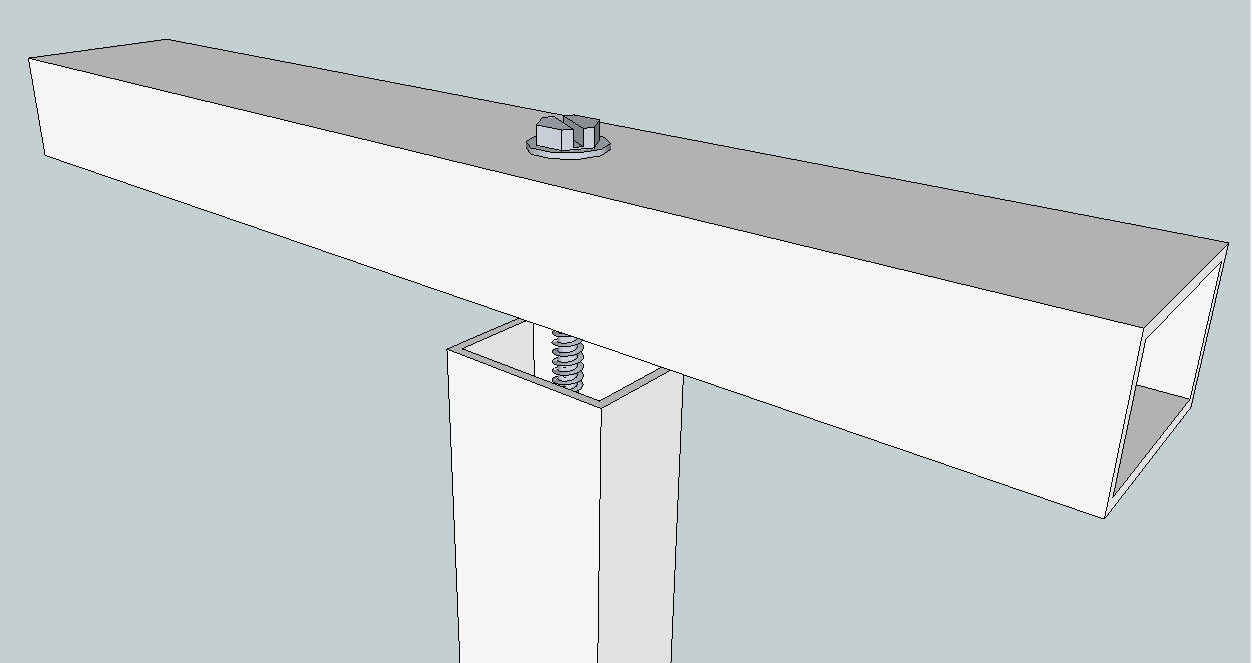
Joint (cross-section)
Screw Lengths for Composites
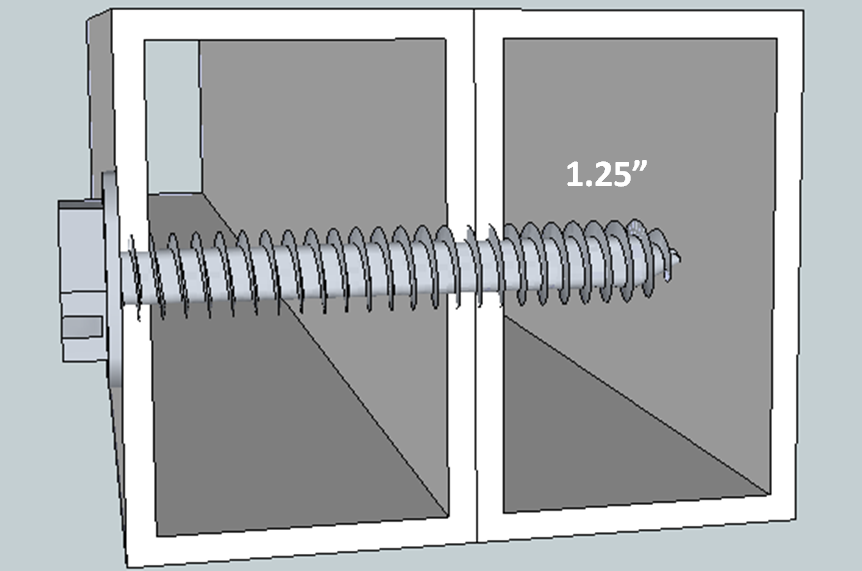
1.25″ screw
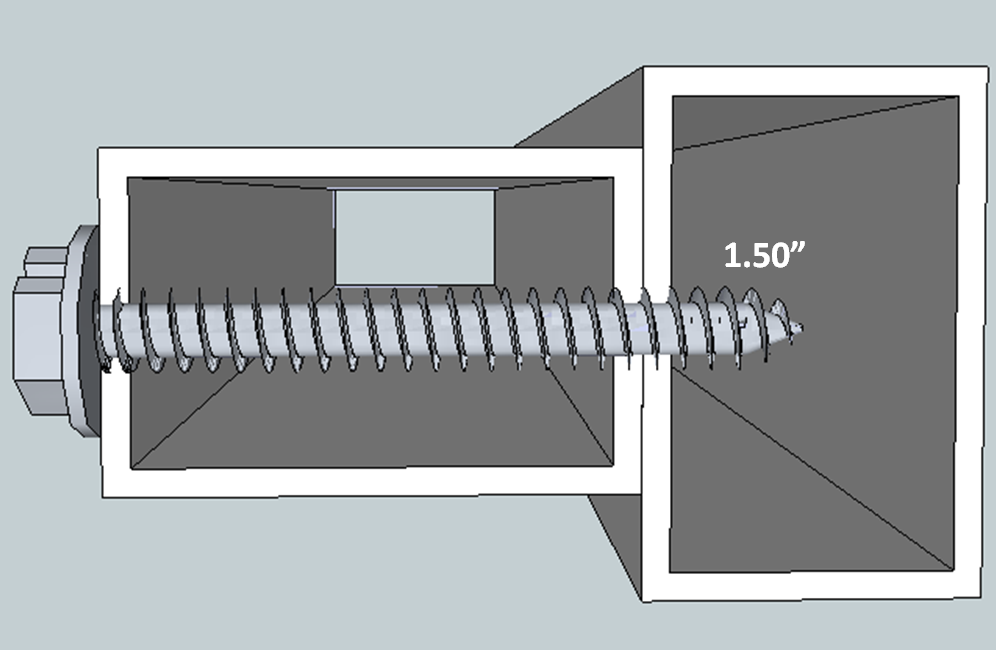
1.5″ screw
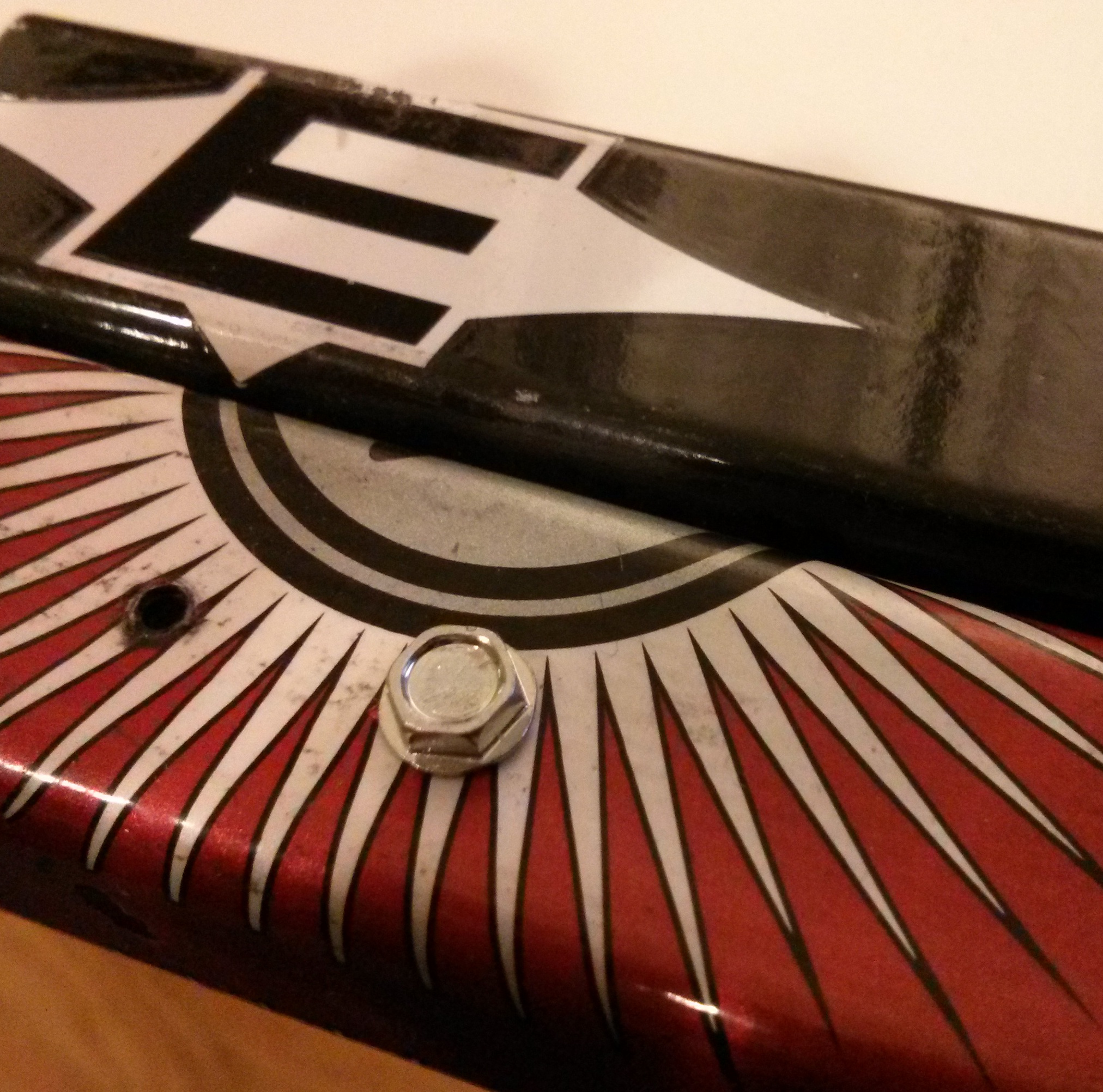
For heavy-duty composite joints, hex cap screws provide stronger holding power than standard wood screws.
Dealing with Delamination
Delamination occurs when the carbon fiber layers separate — usually from excessive force, improper cutting, or stress during assembly. It's the most common failure mode with composite stick builds.
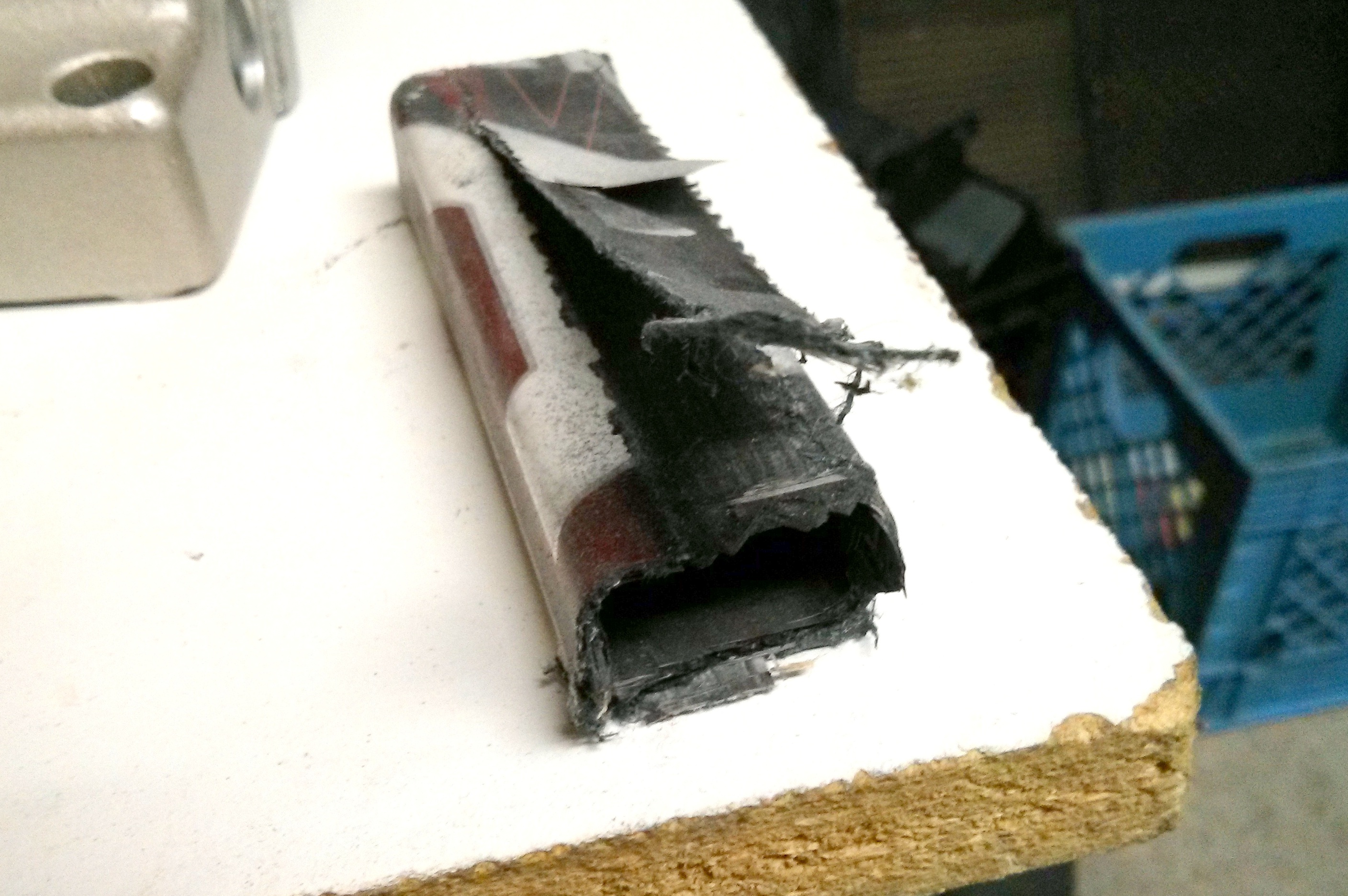
Delamination on a surface
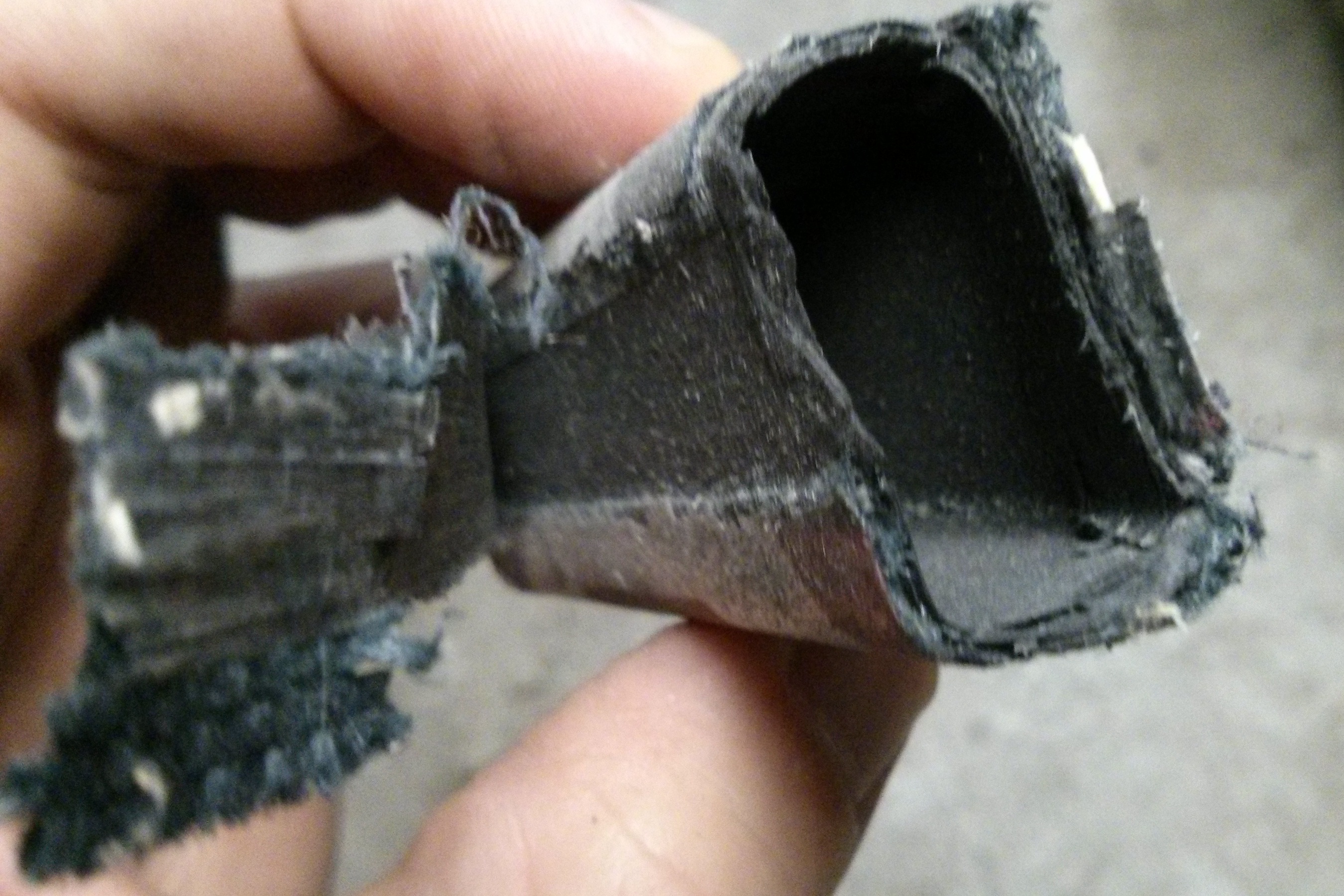
Close-up delamination
- Always drill pilot holes before screwing
- Don't over-tighten screws
- Use sharp blades for clean cuts
- Support the stick fully when cutting to prevent flexing